
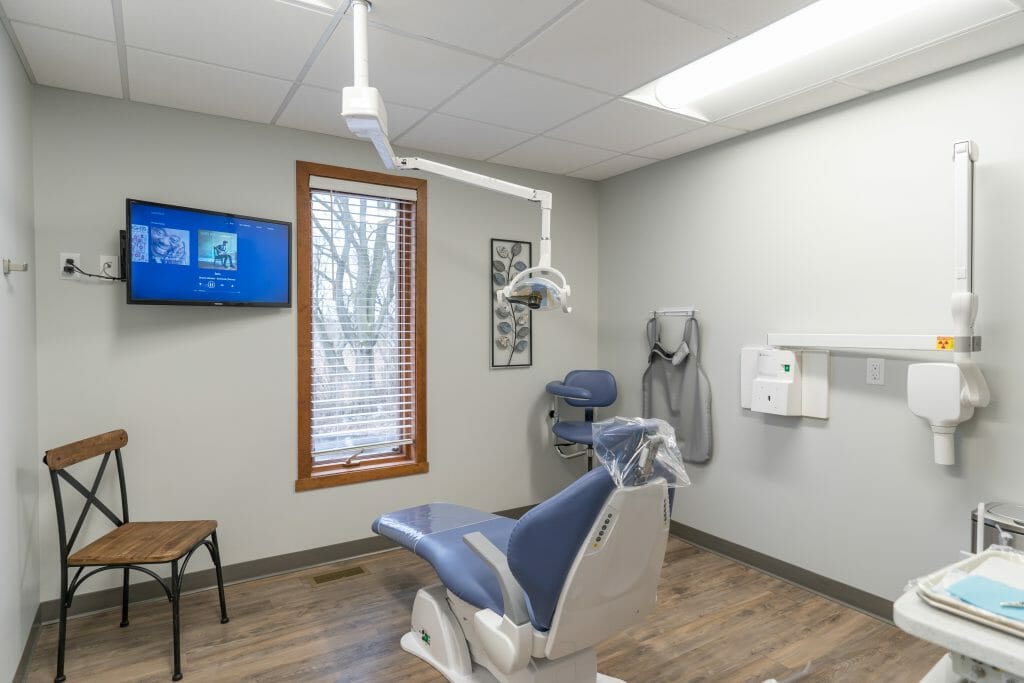
 At Mad River Family Dental, we provide tooth fillings to repair cavities, restore healthy tooth structure, and prevent further decay. When a decayed portion is removed, the right material strengthens remaining enamel and supports long-term oral health.
Every recommendation is based on the extent of the decay, the location of the cavity, aesthetic goals, and overall stability.
Tooth decay can begin as a small area of enamel breakdown, but if it progresses, it may compromise deeper layers. Addressing cavities early helps maintain strength and chewing function while minimizing the need for more complex restorative procedures in the future. Early treatment preserves natural enamel and protects long-term dental health.
Cavities are common at every age, and timely treatment plays an important role in protecting the surrounding structure. By restoring damaged areas promptly, patients maintain better bite balance and overall stability.
What Are Tooth Fillings and Why Are They Needed?
Tooth fillings are restorative solutions used to repair cavities and rebuild natural enamel after decay. During the dental filling process, damaged structure is removed, the area is cleaned, and a selected type of dental filling material is placed to restore function.
This helps preserve integrity and reduces the risk of deeper infection.
Restorations seal the treated area, preventing bacteria from re-entering the cavity space. By reinforcing the remaining enamel, they support long-term durability and help maintain natural bite alignment. Proper placement strengthens the surrounding tooth structure and restores chewing efficiency.
Types of Dental Filling Materials Used in Treatment
There are several different types of materials available, each offering unique benefits depending on strength, aesthetics, and placement.
Composite Resin
Composite resin is a popular choice because it blends with the surrounding enamel. Ideal for visible areas such as front teeth, it bonds directly and preserves structure while maintaining the natural color of the tooth.
Porcelain
Porcelain, also called ceramic restoration, is fabricated in a dental laboratory and classified as an indirect restoration. It provides durability and excellent aesthetics, especially for patients with specific aesthetic preferences.
Silver Amalgam
Silver amalgam is durable and often used in back teeth where chewing forces are greater. Although the silver color is more noticeable, it remains a reliable option for areas exposed to heavy bite pressure.
Glass Ionomer
Glass ionomer releases fluoride and may be used near the gum line in specific cases, particularly where additional cavity protection is beneficial.
Gold
An alloy of gold can be used in certain situations for long-term durability and strength.
Choosing the Right Material for Your Cavity
Selecting the appropriate material depends on bite pressure, cosmetic preferences, insurance coverage, and structural requirements. Molars may require stronger restorations, while visible areas benefit from aesthetic blends.
Each treatment plan is designed to support long-term stability and comprehensive care.
The size of the cavity and the overall condition of the surrounding enamel also influence material selection. Our team discusses advantages, durability expectations, and long-term outcomes so patients can make informed decisions about their treatment plan.
How Do I Know If I Need Treatment for a Cavity?
You may require cavity repair if you experience sensitivity, visible discoloration, discomfort while chewing, or rough surfaces. Sometimes decay is detected during routine exams before symptoms develop.
Early intervention preserves natural enamel and reduces the likelihood of needing root canal therapy.
If left untreated, minor decay can expand, leading to deeper structural compromise, infection, or increased sensitivity. Routine evaluations allow early detection and protect overall dental care outcomes.
What Happens If a Cavity Is Not Treated Promptly?
Untreated decay can penetrate deeper layers and compromise the surrounding structure. Over time, infection may spread to the inner pulp, requiring advanced procedures.
Addressing decay early protects long-term stability and helps avoid more complex treatment.
In advanced cases, untreated cavities may result in fracture, infection, or the eventual need for extraction. Preventive intervention remains the most effective strategy for maintaining healthy enamel and overall oral health care.
What Can I Expect During the Filling Procedure?
The appointment begins with local anesthesia to ensure comfort. The decayed area is removed, disinfected, and prepared. The material is placed, restoring shape and bite alignment. The surface is shaped and polished into the final restoration.
Most treatments are completed in a single visit unless laboratory-fabricated restorations are required.
After placement, your bite will be checked to ensure even contact and comfort. Adjustments may be made to maintain proper alignment and prevent excessive pressure on surrounding enamel.
How Long Do Restorations Typically Last Over Time?
Longevity depends on the material selected, bite forces, and oral hygiene habits. Composite restorations may last 5–10 years, while silver amalgam or gold can last longer with proper care.
Grinding, clenching, or chewing hard substances can shorten lifespan. Regular exams allow early detection of wear.
Maintaining routine preventive visits, consistent brushing, and flossing helps extend durability and protect the final restoration.
Are There Risks or Side Effects After Placement?
Restorations are considered safe and effective. Some patients notice mild temperature sensitivity shortly after placement. This typically resolves quickly.
For material research and public health information, visit:
https://www.nidcr.nih.gov
https://my.clevelandclinic.org
Patients are encouraged to discuss any concerns regarding materials, allergies, or bite adjustments before beginning treatment.
How Much Does Treatment Cost in Fairborn, OH?
Costs of tooth fillings vary depending on the type of material selected, the size of the cavity, and insurance coverage. We review benefits before treatment to provide clarity.
Financing options are available at:
https://www.carecredit.com
Our office provides transparent estimates so patients understand the costs associated with restorative treatment and long-term maintenance.
Aftercare and Long-Term Maintenance Tips
Once numbness fades after getting tooth fillings, most patients resume normal eating. Avoid excessive pressure on the treated area during the first 24 hours.
Maintaining consistent hygiene helps protect the restored surface.
- Brush twice daily with fluoride toothpaste
- Floss consistently
- Attend routine dental visits
- Limit sugary snacks and acidic beverages
Proper care reduces the chance of new decay and protects overall dental health.
Patients often ask whether small cavities truly need treatment if they are not painful. Even minor areas of decay can expand over time, especially in hard-to-clean areas between teeth or near the gum line. Early repair protects surrounding enamel, preserves bite strength, and supports long-term stability.
Schedule Your Appointment in Fairborn, OH
If you suspect a cavity or need restorative treatment, our team at Mad River Family Dental is ready to help.
We provide restorative dentistry, personalized planning, and high-quality materials designed to preserve natural enamel and protect long-term stability.
Call today to schedule your appointment and support your continued oral health.
WE PUT PATIENTS FIRST
At Mad River Family Dental, your experience is our focus.