 Damaged, decayed, or missing teeth can affect far more than your appearance. They can interfere with chewing, speech, alignment, and overall health. At Mad River Family Dental, we provide comprehensive restorative dentistry in Fairborn, OH to rebuild function, protect natural tooth structure, and restore confidence in your smile.
Whether you are experiencing tooth decay, a broken tooth, tooth loss, or complications from older dental work, our restorative treatments are designed to return strength, stability, and comfort to your bite.
What Is Restorative Dentistry?
Restorative dentistry focuses on repairing or replacing damaged or missing teeth to restore the function of your teeth and improve overall oral health. Treatments may include fillings, crowns, bridges, implants, or root canal treatment, depending on the specific issue and level of damage.
Unlike preventive dentistry, which focuses on avoiding disease, restorative care addresses existing dental problems and prevents them from worsening.
When Should I Consider Seeing a Restorative Dentist?
You should consider visiting us if you experience:
- Persistent tooth sensitivity
- Difficulty chewing
- A damaged tooth or a cracked tooth
- A missing tooth
- Dental pain when biting
- Old fillings or crowns that are failing
Even minor symptoms may signal underlying issues affecting the enamel, gum line, or supporting bone. Early intervention reduces recovery time and lowers the risk of more complex cases later.
Problems in the mouth rarely stay isolated. When decay or infection is left untreated, bacteria can travel beyond the affected area and influence overall health. Inflammation around the gum line has been linked to conditions such as heart disease and diabetes. Difficulty chewing can also affect digestion, which impacts nutrition and energy levels.
Even a single missing tooth can change how force is distributed when you bite. Over time, this imbalance may cause shifting, jaw discomfort, or uneven wear. Addressing structural concerns early helps maintain stability not just in your smile, but throughout your body.
How Does Restorative Dentistry Differ From Cosmetic Dentistry?
Restorative dentistry focuses on improving the function and health of your teeth, while cosmetic dentistry primarily enhances the appearance of your smile.
For example, a dental crown may be placed to protect a damaged tooth structurally. Teeth whitening improves the cosmetic look of your smile. In many cases, treatments overlap, but the primary goal of restorative care is health and function first.
What Types of Dental Problems Can Be Treated?
Our office in Fairborn addresses a wide range of conditions, including:
- Tooth decay and cavities
- Broken or fractured teeth
- Root infections requiring root canal treatment
- Tooth loss
- Worn enamel from acidic foods
- Damaged restorations
- Bite alignment concerns
- Full mouth rehabilitation for complex cases
Each type of restoration is carefully selected to preserve as much natural tooth structure as possible.
A small chip or issue that doesn’t affect your daily life may seem harmless, but even minor fractures can expose inner layers. Once the protective enamel barrier is compromised, bacteria gain easier access to sensitive tissue.
If untreated, a crack may deepen, leading to infection or structural collapse. Acting quickly preserves more of the original structure and often allows for simpler treatment options with shorter recovery time.
In complex cases involving multiple damaged or missing teeth, a comprehensive treatment plan may be recommended. This approach restores function across the entire arch rather than addressing issues individually.
Full-mouth rehabilitation can improve chewing efficiency, facial support, and long-term stability.
What Are the Long-Term Benefits of Restorative Dental Treatments?
The long-term benefits go beyond aesthetics. Proper restorative care:
- Restores the function of your teeth
- Prevents further damage
- Reduces the risk of infection
- Supports proper chewing and digestion
- Protects surrounding teeth
- Improves overall health and quality of life
Addressing damage early also helps preserve adjacent natural teeth and maintain alignment.
Choosing to repair structural damage is an investment in your future health and quality of life. Strong, stable teeth allow you to eat comfortably, speak clearly, and smile confidently.
What Is the Process for Getting a Dental Crown?
A dental crown is one of the most common restorative treatments.
First, the damaged part of the tooth is removed and reshaped. Digital imaging may be taken to ensure a precise fit. An impression is made so a custom restoration can be created. A temporary crown may be placed while the permanent one is fabricated.
At the second visit, the final crown is bonded into place, restoring strength and appearance. With proper care and good oral hygiene, crowns can last many years.
For more information on crowns, visit:
https://www.mouthhealthy.org
https://my.clevelandclinic.org
What Materials Are Used in Restorative Dentistry?
Modern care uses advanced materials designed for durability and natural appearance.
Common options include:
- Composite resin for dental bonding
- Porcelain for crowns and bridges
- Gold alloys in select cases
- Ceramic-based restorations
- Titanium post implants for missing teeth
Each treatment is chosen based on location in the mouth, chewing pressure, and aesthetic goals.
Advancements in materials and imaging technology have significantly improved outcomes. Digital scans provide precise measurements, ensuring restorations fit accurately and comfortably.
What Treatment Options Are Available?
Depending on your needs, treatments may include:
- Tooth-colored fillings for tooth decay
- Bonding for small fractures
- Root canal treatment for infected pulp
- Crowns for structural support
- Bridges for replacing a single tooth
- Implants with an artificial root
- Partial dentures
- Full mouth rehabilitation
If a natural tooth cannot be preserved, replacement options restore both function and appearance.
How Do Dental Implants Work?
Dental implants are often recommended for tooth loss. A titanium post is placed into the jawbone, acting as an artificial tooth root. After healing, a crown is attached to restore function.
Implants help prevent bone loss and maintain facial structure. They function similarly to natural teeth and are considered one of the most stable long-term solutions.
Are There Risks or Side Effects Associated With Restorative Procedures?
Most treatments are routine and safe. However, possible temporary side effects may include:
- Mild tooth sensitivity
- Gum soreness near the gum line
- Short recovery time with mild discomfort
- Minor inflammation
Complications are rare when performed by experienced professionals and supported by regular dental visits.
How Much Does Restorative Dentistry Cost?
Costs vary depending on the type of restoration and complexity. A simple filling differs significantly from implant placement or full mouth rehabilitation.
Many dental insurance plans provide partial coverage for medically necessary treatments. Our team reviews your specific plan in advance and discusses payment plans if needed.
For information about dental insurance options:
https://www.deltadental.com
https://www.ada.org
How Do I Choose the Best Restorative Dentist in My Area?
When selecting a provider, consider:
- Experience with restorative dental services
- Technology used for diagnosis and imaging
- Transparent discussion of treatment options
- Clear explanation of recovery time
- Focus on preserving natural tooth structure
Reading verified reviews and scheduling a consultation can help you feel confident in your decision.
How Can I Maintain My Restorations Long-Term?
Proper care significantly extends the lifespan of restorations. We recommend:
- Brushing twice daily
- Flossing consistently
- Avoiding hard objects that may fracture enamel
- Limiting acidic foods
- Wearing a mouthguard if grinding
- Attending regular dental visits
Strong preventive dentistry habits protect both natural teeth and artificial teeth.
What Should I Expect During My Restorative Consultation?
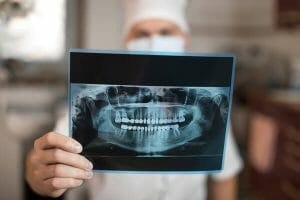
Your appointment begins with a comprehensive exam and imaging. We evaluate gum tissue, enamel, bite alignment, and existing dental work.
Once we identify the issue, we review treatment options and explain each step clearly. Our goal is to restore comfort, protect your oral health, and improve the look of your smile with solutions tailored to your needs.
Restorative Dentistry in Fairborn, OH – Schedule Today
If you are experiencing dental issues, tooth loss, or structural damage, restorative dentistry can help rebuild strength and function.
Mad River Family Dental provides compassionate care focused on preserving natural teeth and restoring stability. Whether you need a single dental procedure or full mouth rehabilitation, we are here to help.
Call (937) 864-2341 today to schedule your appointment.
WE PUT PATIENTS FIRST
At Mad River Family Dental, your experience is our focus.